
Himalayan Infinite Chess
Himalayan Infinite Chess (HIC) is an inclusive initiative by Himalayan Chess Academy that adapts chess for learners with diverse cognitive and learning needs, including ASD, ADHD, Down syndrome, and other learning disabilities, as well as anyone who finds traditional teaching methods limiting.
Flexible, adaptive, and open to everyone—making chess truly infinite.
Executive Summary
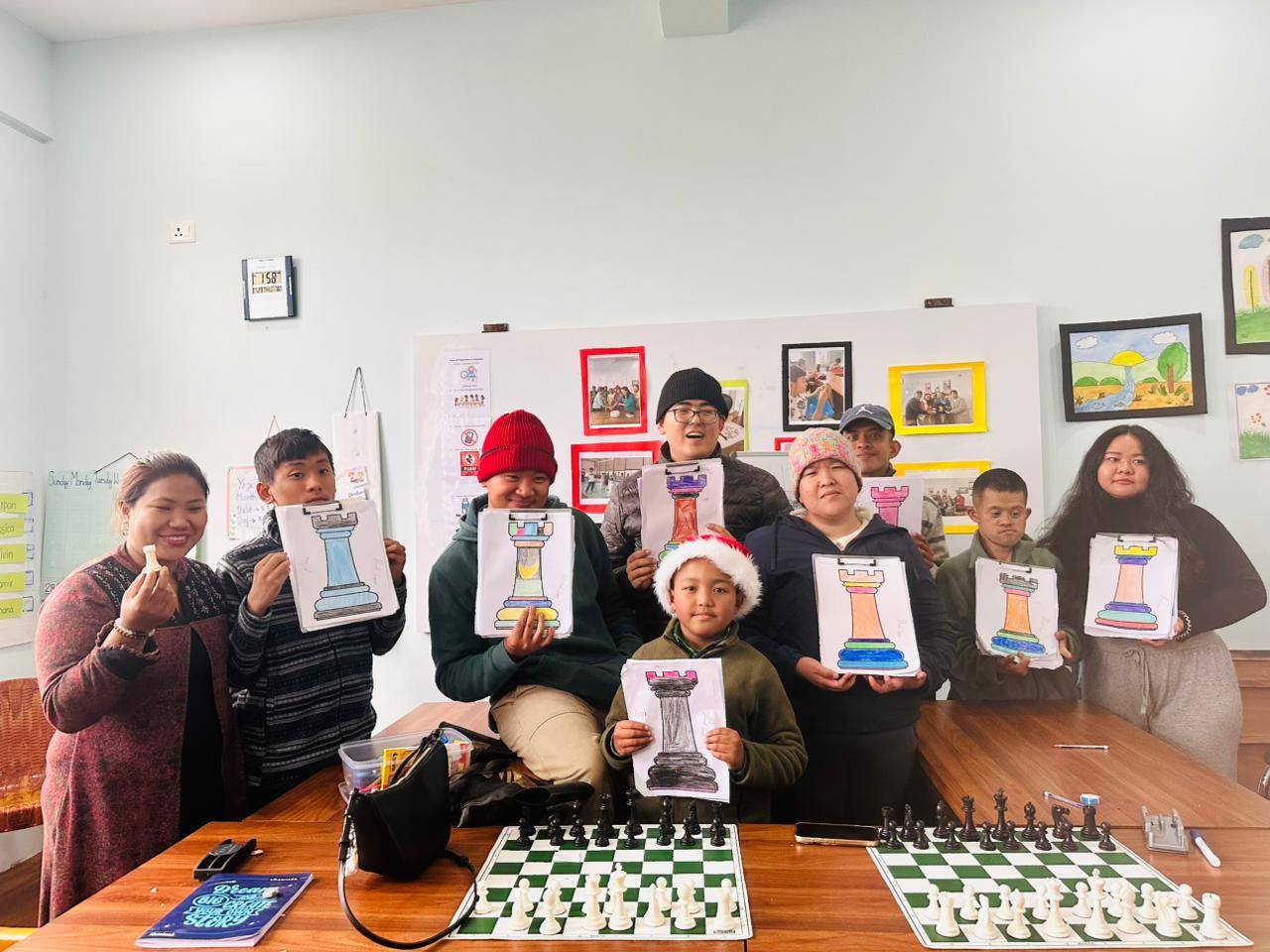
In Nepal, neurodivergent and learning-diverse children often face barriers to structured, inclusive educational opportunities due to stigma, low expectations, and limited understanding of conditions like autism and ADHD. Himalayan Infinite Chess was developed to address this gap, using chess as a structured, predictable, and adaptable framework to support individual cognitive, emotional, and sensory needs.
By rethinking traditional chess instruction, the program emphasizes individual pacing, emotional safety, and flexible learning environments. Learners with ASD, ADHD, Down syndrome, and other learning differences can develop cognitive skills, emotional regulation, confidence, and social interaction through chess.
Program Overview
- Program Name: Himalayan Infinite Chess (HIC)
- Implementing Organization: Himalayan Chess Academy (HCA)
- Program Type: Inclusive education and social development initiative
- Target Group: Children with diverse cognitive and learning needs, including neurodivergent learners
- Geographical Scope: Kathmandu Valley, Nepal
Program in Action
See how Himalayan Infinite Chess creates inclusive learning environments through structured, adaptive chess education.
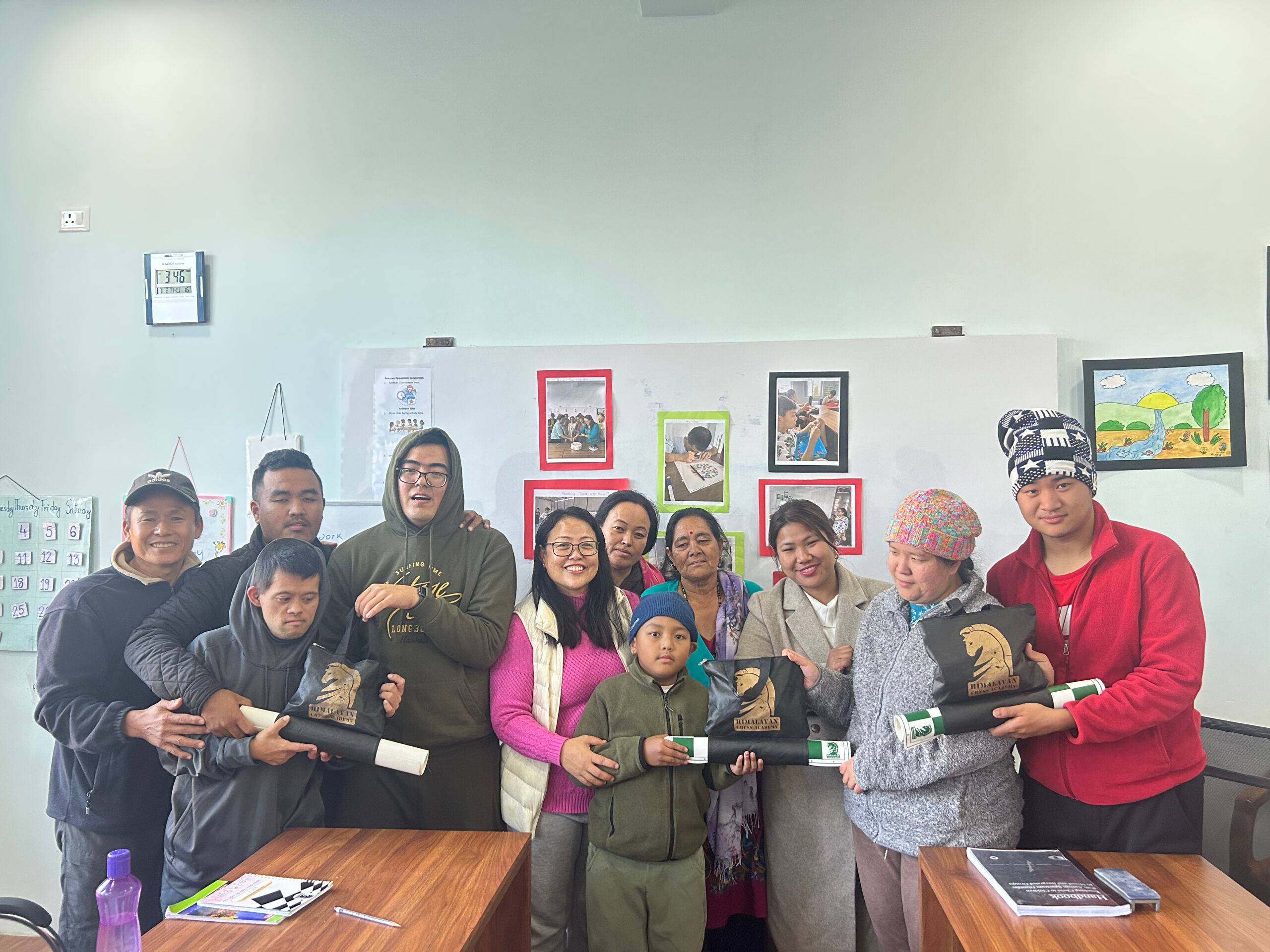
Structured Learning
Predictable routines support neurodivergent learners
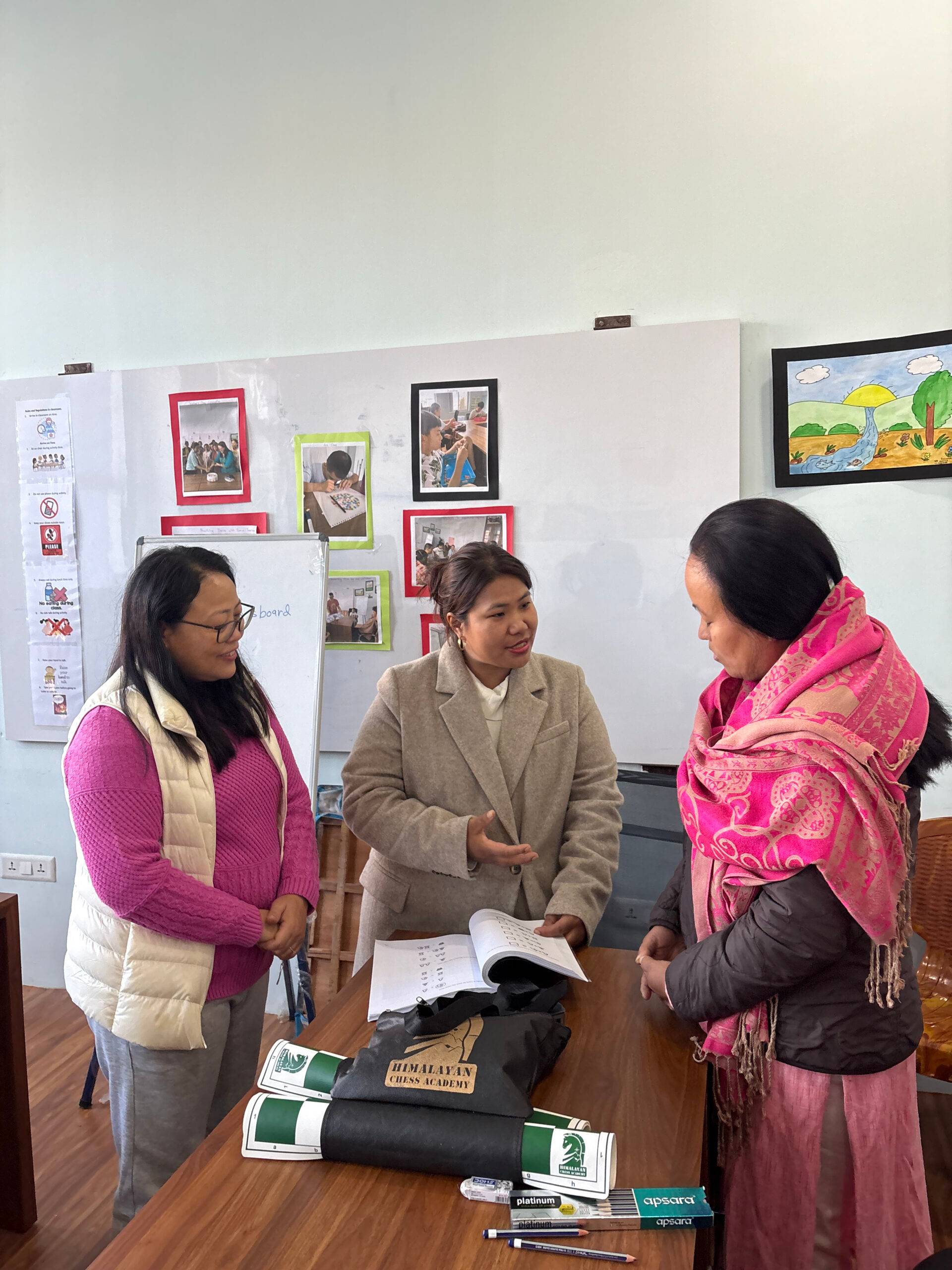
Individual Pacing
Each learner progresses at their own speed
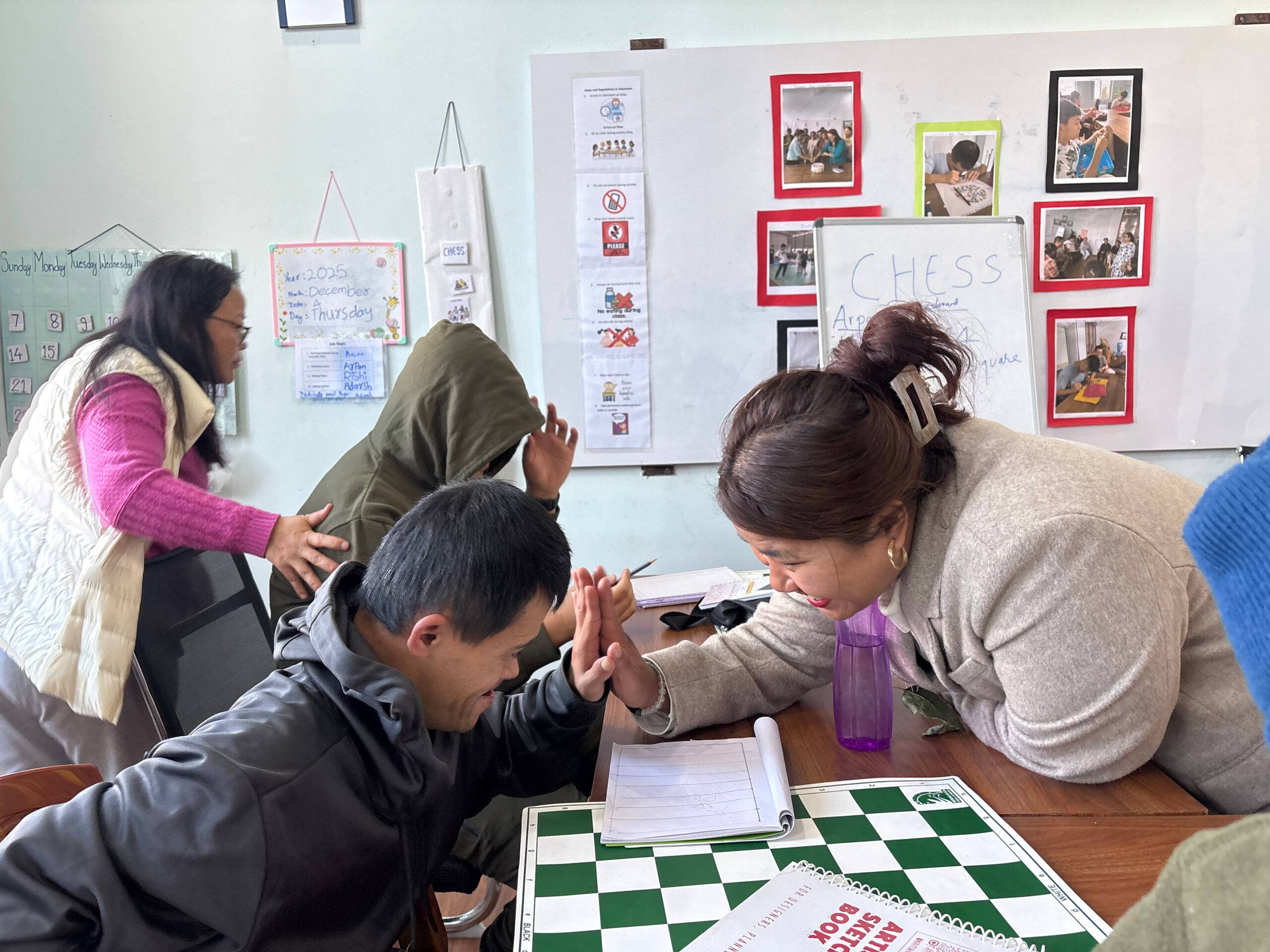
Social Interaction
Building confidence through collaborative play
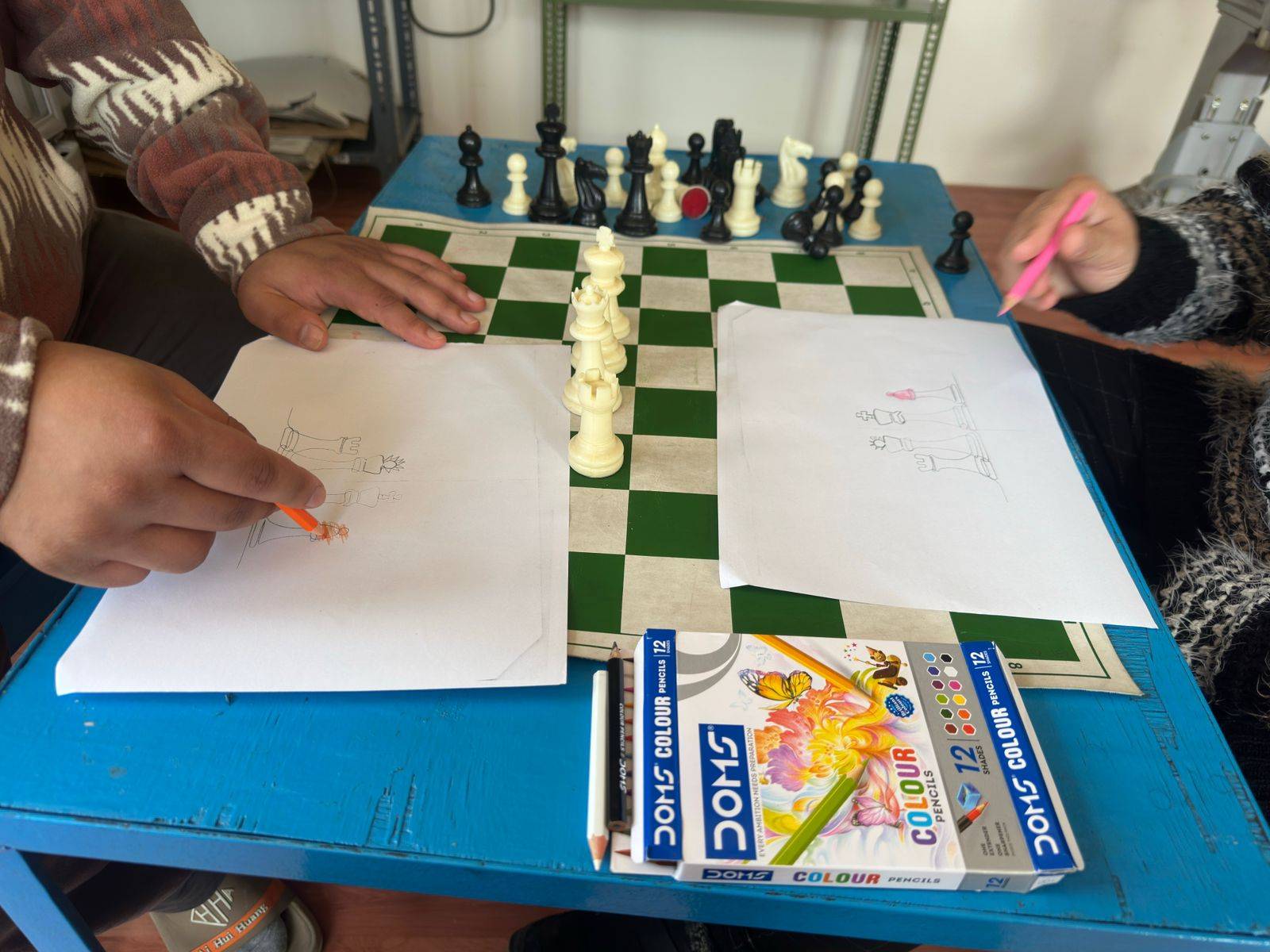
Community Building
Creating inclusive spaces for all learners
Program Design and Methodology
FIDE-Aligned Adaptive Teaching Framework
Himalayan Infinite Chess is designed in alignment with the principles outlined in the FIDE Infinite Chess Handbook, emphasizing accessibility, inclusion, and learner-centered instruction. Sessions maintain core chess rules while adapting to diverse emotional, sensory, and cognitive needs.
Instruction prioritizes clarity, consistency, and emotional safety, allowing learners to engage at a pace and format suited to their individual capacities.
- Structured and predictable session routines
- Clear, consistent application of chess rules
- Minimized sensory overload within the learning environment
- Flexible pacing and adjustable session duration
- Emphasis on encouragement, learning, and engagement
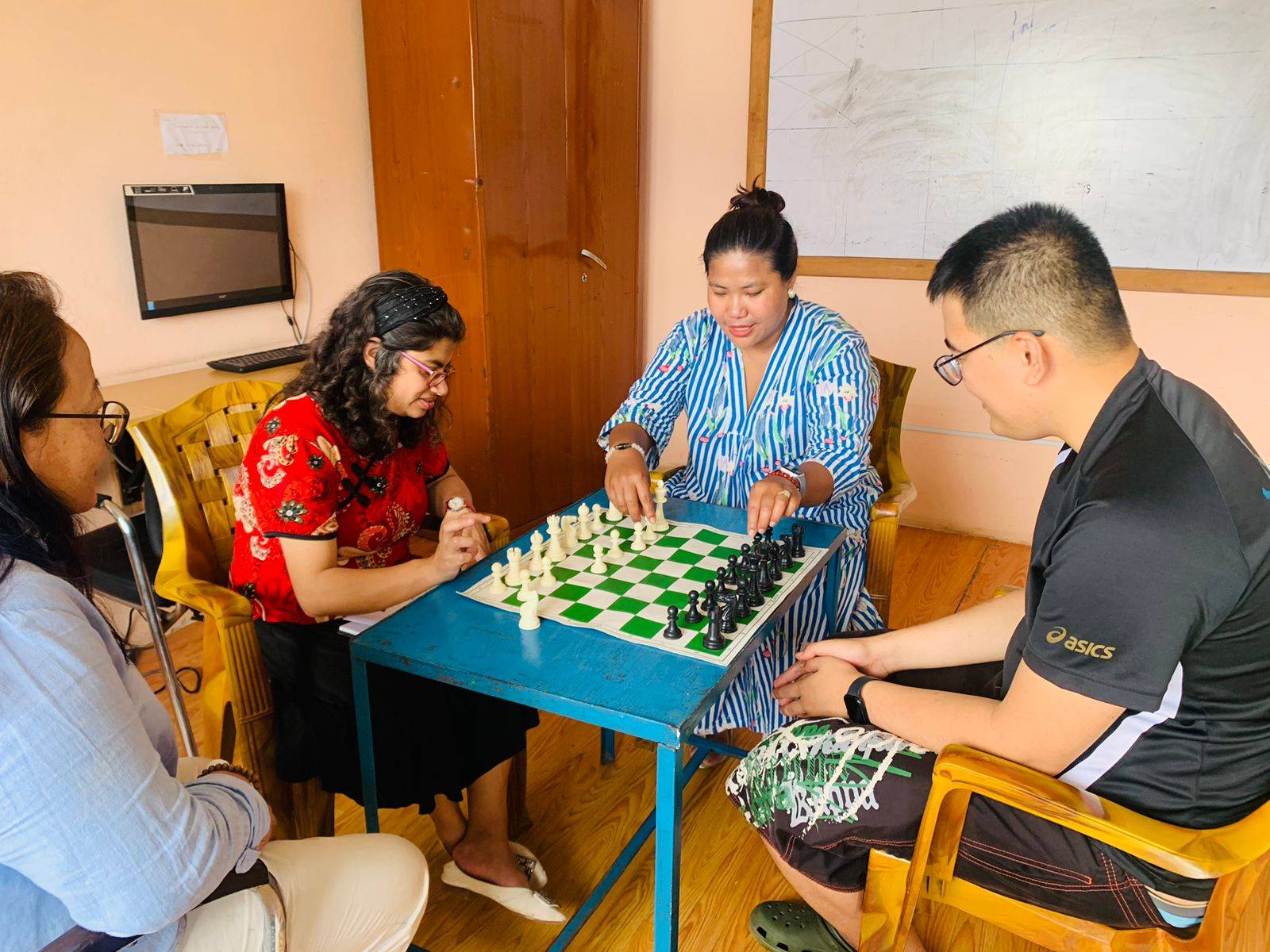
Institutional Implementation
"Feel the Autism – Feel the Difference" Workshop (November 2024)
This workshop marked the foundation of HCA's autism-focused chess initiative. Parents, educators, and coaches learned to view chess as a psychosocial tool adaptable to diverse sensory, emotional, and cognitive needs. Participants explored alternative teaching rhythms, visual pattern recognition, predictable routines, and the importance of emotional safety in learning environments.
Learn more about the Himalayan Infinite Chess project in Nepal here.
Autism Care Nepal Society (ACNS)
Autism Care Nepal Society has long emphasized activity-based programs that prioritize engagement, enjoyment, and meaningful participation over technical mastery. Their approach includes a range of sports and structured activities designed to create positive and supportive learning experiences for children.
Given chess’s reputation as a demanding and highly cognitive game, there was initial curiosity around how it might fit within this activity-centered framework. Through demonstration sessions, HCA presented chess as a flexible and adaptable activity—one that could be adjusted to emphasize play, interaction, and comfort rather than competition or expertise.
As children began engaging with chess in this format, interest grew organically, leading to the introduction of regular, autism-focused chess sessions at ACNS. These sessions complemented existing programs while expanding the range of inclusive activities available to participants.
Singapore Gurkha Pensioners' Association (SGPA)
The engagement with SGPA began as a series of introductory workshops aimed at familiarizing parents and caregivers with how chess could be adapted for their children. As chess is often perceived as a highly strategic and mentally demanding game, families were naturally curious to explore how it might be approached in a more accessible and supportive way.
Through these sessions, Himalayan Chess Academy presented chess as a flexible and psychosocial tool rather than a purely competitive activity. By adjusting structure, pace, and expectations, children were able to engage with chess in ways that emphasized comfort, participation, and exploration. This helped broaden understanding of how chess can serve different purposes beyond traditional play.
Following pilot sessions and continued parental engagement, chess was formally integrated into SGPA’s regular programming starting December 2025. This marked a transition from exploratory workshops to a sustained, inclusive learning activity within the institution.
Our Partners
FIDE – Infinite Chess
Himalayan Infinite Chess is partnered with FIDE Infinite Chess, an inclusive initiative supported by the International Chess Federation (FIDE). This partnership aligns the program with global best practices in accessible and inclusive chess education.
Kindness on Board
Kindness on Board is a global nonprofit initiative that uses chess to promote empathy, kindness, inclusion, and social responsibility, reinforcing values-based learning alongside cognitive development.
Participation Snapshot
- Autism Care Nepal Society: 4 participants
- Singapore Gurkha Pensioners' Association: 8 participants
- Himalayan Chess Academy: 4 participants
Observed Outcomes
- Improved focus and attention span
- Enhanced emotional regulation
- Increased confidence and engagement
- Improved social interaction
- Greater tolerance for structured tasks
Future Direction and Sustainability
Himalayan Infinite Chess aims to scale inclusive chess education across Nepal by expanding institutional partnerships, training adaptive chess coaches, and advocating for learning models that recognize neurodiversity as a strength rather than a limitation.